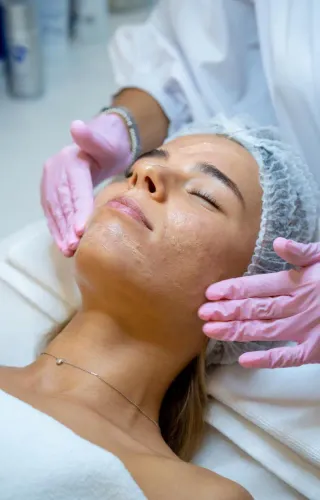
Dark spots, uneven skin tone, and patches of discoloration are among the most common reasons people visit a dermatologist. However, pigmentation is not a single condition with a single solution. Different types of pigmentation develop for different reasons, which is why the most effective Pigmentation Treatment in Greater Kailash II always begins with identifying the underlying cause rather than simply trying to lighten the skin.
Using random creams or following online skincare trends may temporarily improve the appearance of pigmentation, but long-lasting results depend on treating the condition correctly.
What Causes Pigmentation?
Melanin is the natural pigment responsible for skin colour. When melanin production becomes uneven, darker areas begin to appear on the skin.
Several factors can trigger this imbalance, including:
- Prolonged sun exposure
- Hormonal changes
- Acne or skin injuries
- Ageing
- Certain medications
- Inflammatory skin conditions
- Genetic predisposition
Understanding why pigmentation has developed helps determine the most suitable treatment plan.
Different Types of Pigmentation Require Different Solutions
One reason pigmentation can be difficult to treat is that multiple conditions may look similar.
Post-Inflammatory Hyperpigmentation
This type develops after acne, burns, rashes, or skin injuries. Once the skin heals, dark marks remain where inflammation previously existed.
Melasma
Melasma appears as symmetrical brown or greyish patches, usually on the forehead, cheeks, upper lip, or chin. It is commonly associated with hormonal changes, pregnancy, or prolonged sun exposure.
Sunspots
Years of UV exposure may result in small dark patches, particularly on the face, hands, and other exposed areas.
Freckles
Freckles are usually inherited but become darker with repeated sun exposure.
Each condition responds differently to treatment, making professional diagnosis essential.
How Dermatologists Decide on Treatment
Instead of recommending the same procedure for every patient, dermatologists evaluate several factors before creating a treatment plan.
These include:
- Type of pigmentation
- Depth of pigment within the skin
- Skin type
- Medical history
- Previous treatments
- Daily sun exposure
- Lifestyle habits
This assessment helps avoid unnecessary treatments while improving the chances of achieving even, natural-looking skin.
Treatment May Involve More Than One Approach
Depending on the diagnosis, pigmentation treatment may include one or more options.
Common approaches include:
- Medical-grade topical medications
- Chemical peels
- Laser treatments
- Skin-brightening procedures
- Sun protection strategies
- Customized skincare routines
Often, combining treatments produces better long-term improvement than relying on a single procedure.
Daily Habits That Help Prevent Pigmentation
Even after professional treatment, maintaining results requires consistent skincare.
Simple preventive measures include:
- Applying sunscreen every morning
- Reapplying sunscreen during prolonged outdoor activities
- Avoiding unnecessary sun exposure during peak hours
- Treating acne early to reduce post-inflammatory marks
- Avoiding harsh home remedies that irritate the skin
- Following the skincare routine prescribed by your dermatologist
These habits reduce the likelihood of pigmentation returning after treatment.
Patience Is an Important Part of Treatment
Pigmentation improves gradually, and lasting results depend on treating the underlying cause rather than simply fading visible spots. Regular follow-ups also help ensure your skin is responding well and allow treatments to be adjusted when needed.
If you're looking for Pigmentation Treatment in Greater Kailash II, Derma Plus Clinic offers personalized care tailored to your skin's unique needs. Under the guidance of Dr. Manisha Chopra, every treatment plan is designed to address the cause of pigmentation while promoting healthier, clearer, and more even-toned skin through safe, evidence-based dermatological care.
Keywords