Pigmentation is one of the most common reasons people experiment with skincare products. A dark patch appears, an acne mark refuses to fade, or facial tone becomes uneven, and the immediate reaction is often to look for a stronger serum, peel, or laser.
Effective pigmentation treatment, however, starts with identifying what is causing the colour change.
Different pigmentation conditions can look similar to an untrained eye but respond differently to treatment.
Pigmentation Is Not One Diagnosis
Common pigmentation concerns may include post-inflammatory pigmentation after acne, melasma, sun-related changes, friction-related pigmentation, or pigmentation occurring after irritation.
Because the cause matters, treatment should not be selected simply according to how dark the patch appears.
Skincare Can Be Useful
Topical skincare is often an important part of pigmentation management.
Depending on the diagnosis, a dermatologist may consider ingredients that influence pigment production, skin turnover, inflammation, or barrier health.
The important point is that stronger is not always better.
Using multiple active ingredients at the same time can cause irritation. In pigmentation-prone skin, inflammation itself may produce additional darkening.
Where Chemical Peels Fit
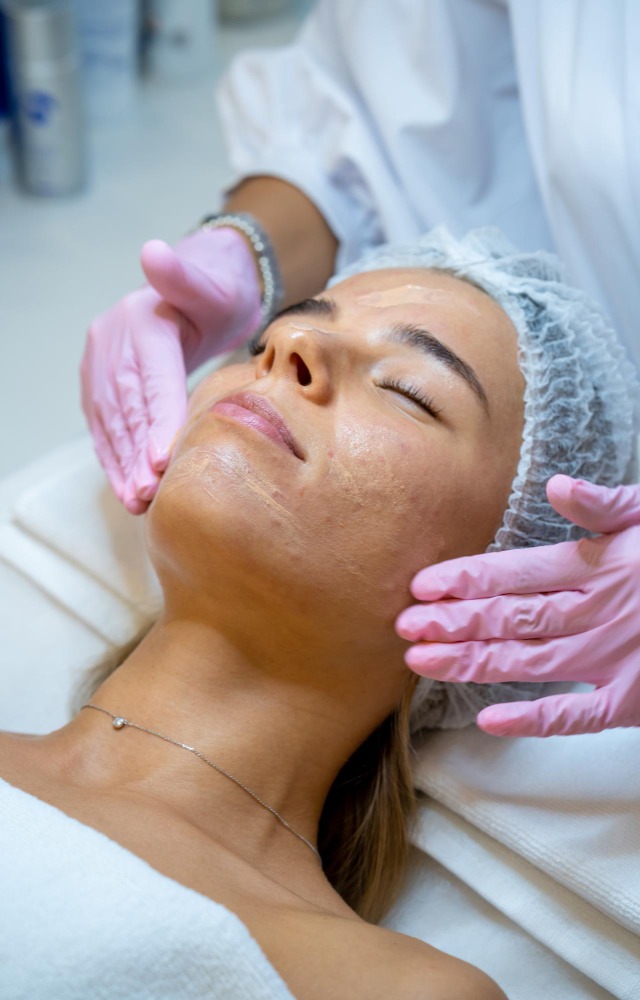
Chemical peels use selected chemical agents to produce controlled exfoliation at an appropriate depth.
They may be considered for certain pigmentation patterns, acne-related concerns, or skin-texture issues.
Peels vary significantly in formulation and strength. A mild superficial peel is not equivalent to a deeper procedure.
Skin type, current skincare, recent sun exposure, and pigmentation tendency should therefore be reviewed beforehand.
When Lasers Enter the Discussion
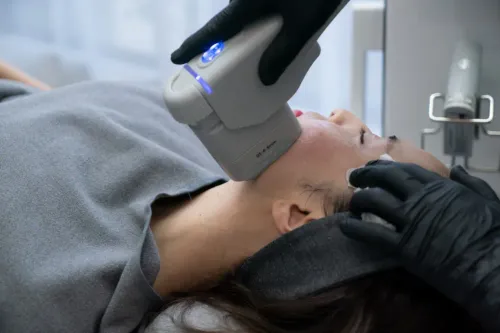
Laser-based procedures may have a role in selected pigmentation concerns, but “laser for pigmentation” is not one universal treatment.
Different technologies interact with skin in different ways.
Using a laser without accurately identifying the pigmentation can produce disappointing results or, in some cases, unwanted colour changes.
This is particularly relevant for Indian skin tones, where treatment-related inflammation must be carefully considered.
Sun Protection Is Part of Treatment
Patients sometimes invest heavily in procedures while treating sunscreen as optional.
That can undermine the overall plan.
Delhi residents experience substantial UV exposure during daily travel, even when most of the day is spent indoors. Consistent photoprotection can therefore be an important part of pigmentation management.
A dermatologist may recommend sunscreen characteristics according to skin type, pigmentation pattern, and daily routine.
Common Mistakes That Can Delay Improvement
Pigmentation care can become unnecessarily complicated when patients:
- Change products every few days
- Use strong home peels
- Scrub dark patches repeatedly
- Combine too many active ingredients
- Skip sunscreen
- Expect pigmentation to disappear immediately
- Choose procedures without a diagnosis
Skin colour changes often take time to improve, and some conditions have a tendency to recur.
Questions Worth Asking at Consultation
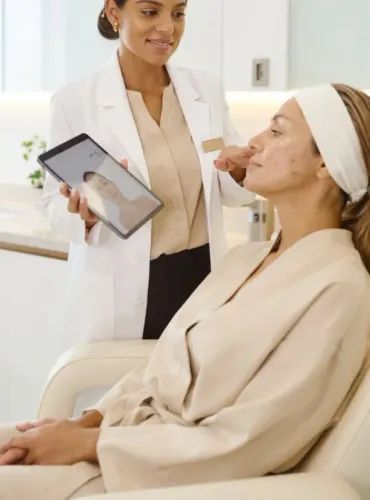
Before beginning a procedure, ask what type of pigmentation is suspected, why a particular treatment has been suggested, what improvement is realistic, whether maintenance may be required, and what aftercare is necessary.
It is also useful to discuss previous reactions to skincare or procedures.
Dr Manisha Chopra Dermatologist in Greater Kailash II sees patients from Delhi seeking assessment for pigmentation and related skin concerns.
Choosing between skincare, chemical peels, laser procedures, or a combined plan should come after diagnosis rather than before it. Pigmentation treatment is usually more successful as a structured process involving trigger control, appropriate topical care, sun protection, and carefully selected procedures instead of repeatedly trying whichever treatment happens to be trending.
Keywords