Loss of facial firmness is a common concern as skin and supporting tissues change with age. People who are not ready to consider surgery often search for non-surgical technologies, including HIFU, as possible skin-tightening options.
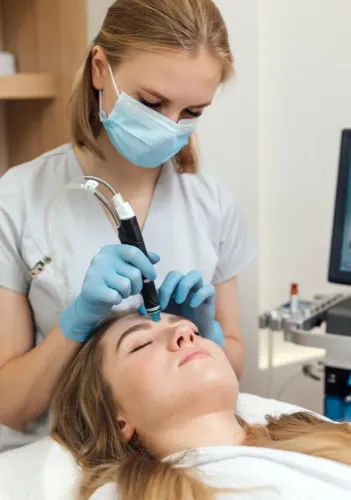
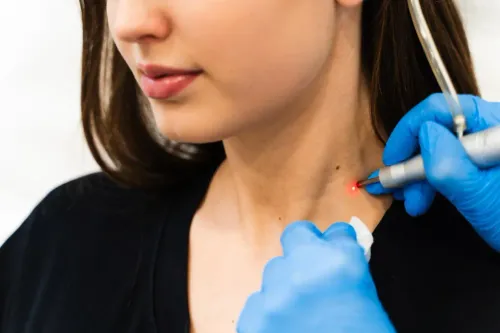
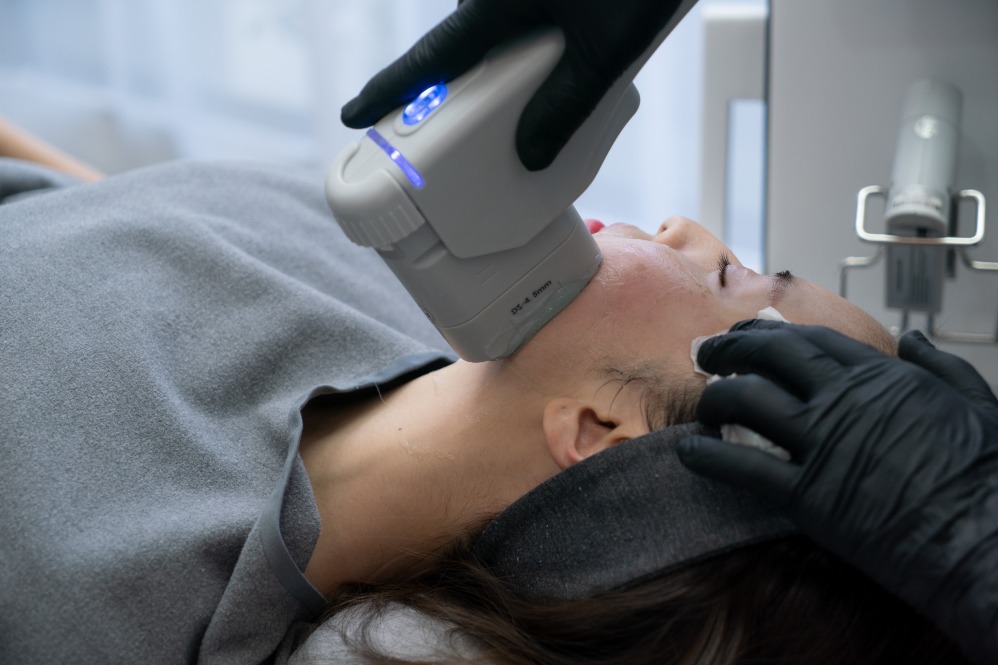
HIFU stands for high-intensity focused ultrasound. It uses focused ultrasound energy delivered at selected tissue depths to create a controlled thermal response.
Before choosing treatment, it is important to understand what HIFU is intended to do, what it cannot do, and why patient selection matters.
What Does HIFU Target?
HIFU is different from a surface facial or superficial exfoliating procedure.
Focused ultrasound energy is delivered beneath the skin surface at planned depths. The controlled thermal effect is intended to stimulate a tissue response that may contribute to gradual tightening in appropriately selected patients.
Because biological remodelling takes time, HIFU should not be viewed as an instant transformation.
Who May Be a Suitable Candidate?
Suitability depends on individual anatomy, degree of laxity, age-related changes, treatment area, expectations, and medical history.
Someone with mild or moderate laxity may have different goals from someone with substantial loose skin.
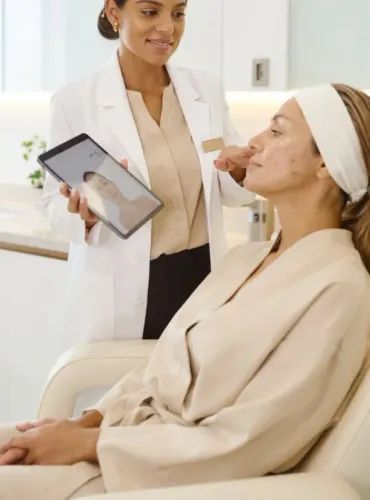
A consultation should therefore determine whether the concern is actually skin laxity.
Sometimes what a patient describes as “sagging” may involve volume changes, skin quality, facial structure, or a combination of factors. HIFU does not address every component in the same way.
What HIFU Does Not Do
HIFU should not be treated as a replacement for every anti-ageing procedure.
It is not the same as:
- Fractional CO2 resurfacing
- Chemical peeling
- Hydration-focused facials
- Acne scar treatment
- Pigmentation treatment
Each procedure has a different target.
A person whose main concern is uneven pigmentation or acne scarring may therefore need a completely different treatment strategy.
What Should Be Checked Before Treatment?
Before undergoing HIFU, discuss:
- The area you want treated
- What degree of improvement is realistic
- Whether your concern is suitable for HIFU
- Previous aesthetic procedures
- Relevant medical history
- Expected discomfort
- Possible temporary reactions
- When results are typically assessed
- Whether further treatment may be appropriate
These conversations are more useful than choosing treatment according to before-and-after photographs alone.
Results Should Be Viewed Realistically
Aesthetic outcomes differ from person to person.
The degree of tightening may depend on individual tissue characteristics, age, baseline laxity, treatment parameters, and biological response.
HIFU also does not reproduce the scale of change achievable through surgical lifting procedures.
Patients seeking dramatic correction should understand this distinction before treatment.
Why Provider Selection Matters
Energy-based procedures require appropriate patient selection and knowledge of facial anatomy.
The treatment should be planned according to the area being addressed rather than delivered as an identical protocol to every patient.
Patients should also know who will assess them, who performs the procedure, what device is being used, and how concerns after treatment are managed.
Planning Treatment in Delhi
For people across Delhi NCR, accessibility can matter if an initial assessment or subsequent review is required. Greater Kailash II is a convenient South Delhi location for many patients, but clinical suitability should remain the primary reason for selecting treatment.
Dr Manisha Chopra Dermatologist provides consultations for patients considering HIFU and other dermatological aesthetic options.
HIFU is best approached as a targeted procedure rather than a generic anti-ageing solution. Before booking a session, identify the specific change you want to improve and confirm whether focused ultrasound is suited to that concern. A treatment plan based on facial assessment, realistic expectations, and appropriate technology provides a stronger foundation than selecting HIFU simply because it is described as non-surgical.
Keywords