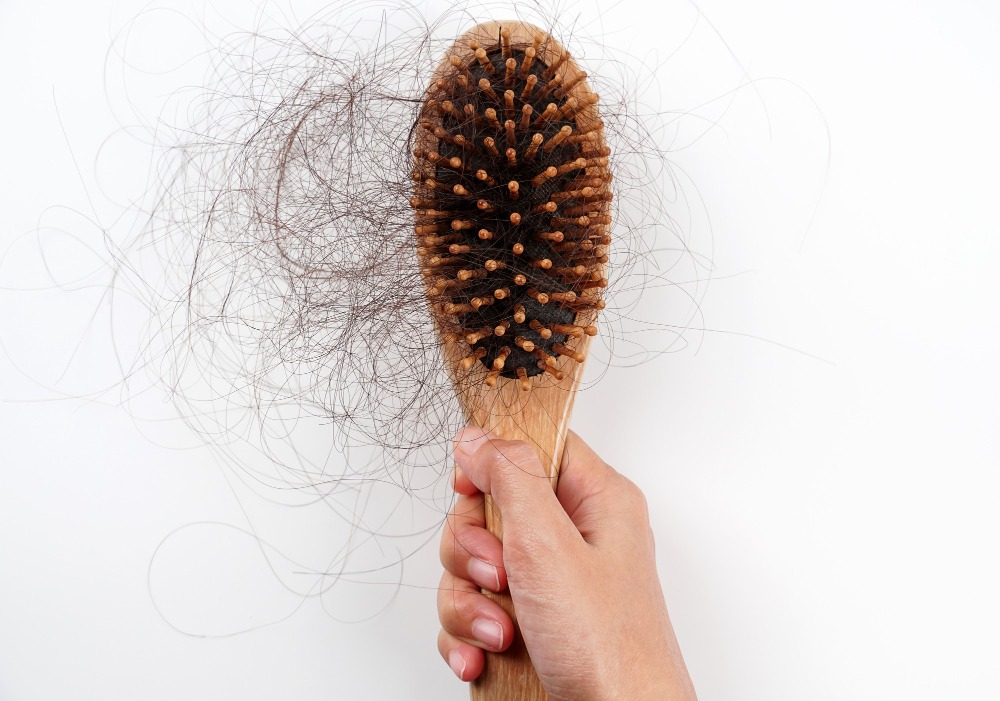
Hair shedding is normal to a degree, but a noticeable increase in hair fall can quickly become concerning. People may first notice more strands during washing, reduced ponytail volume, a widening part, visible scalp, receding areas, or isolated patches.
The term hair loss covers several different conditions. Because the underlying causes differ, choosing treatment based only on advertisements, supplements, or social-media recommendations can lead to unnecessary expense without addressing the real problem.
Hair Shedding Can Appear in Different Ways
The pattern provides useful information.
Some people experience increased shedding across the entire scalp. Others notice progressive thinning in specific areas. Hair loss can also appear in distinct patches.
A dermatologist may look at:
- Pattern of thinning
- Scalp condition
- Hair density
- Hair shaft quality
- Duration of symptoms
- Rate of progression
- Family history
- Recent illnesses or major stressors
- Current medicines
- Diet-related history
These details help narrow the possible causes.
Sudden Shedding Needs Context
Diffuse shedding can sometimes begin weeks or months after a significant physical or emotional stressor.
Patients may therefore struggle to connect the current hair fall with an earlier event.
A detailed history can be valuable because the event that triggered a change in the hair cycle may no longer be occurring when shedding becomes noticeable.
Gradual Thinning Is Different
Progressive pattern hair loss tends to develop more gradually.
Men may notice recession or thinning in characteristic scalp areas. Women may observe reduced density or widening of the central part.
Early assessment can be useful because long-standing loss may be more difficult to address than recent changes.
Scalp Symptoms Matter
Hair loss accompanied by itching, scaling, redness, pain, pustules, or visible inflammation should not be treated purely as a cosmetic density issue.
The scalp itself may require treatment.
Similarly, smooth patches of hair loss require a different evaluation from diffuse shedding.
Do Supplements Solve Hair Fall?
Supplements are often the first thing people purchase after noticing hair loss.
However, more is not necessarily better.
Hair shedding can have many possible causes, and taking multiple supplements without identifying a deficiency does not automatically address the problem. Excessive use of certain nutrients can also be inappropriate.
A dermatologist can determine whether clinical history or findings suggest that further investigation is warranted.
Where Procedures May Fit
Depending on the diagnosis, treatment may involve medical scalp care, topical or oral therapy, lifestyle-related guidance, or selected procedures.
PRP is one procedure discussed in some hair-loss consultations, but it should not be viewed as a universal solution for every form of hair fall.
Suitability depends on the diagnosis and individual clinical circumstances.
When Should You Seek Assessment?
Consider professional evaluation when hair loss is:
- Sudden or rapidly worsening
- Creating visible patches
- Associated with scalp symptoms
- Continuing for several months
- Producing progressive thinning
- Occurring with other unexplained symptoms
- Causing significant concern
Teenagers experiencing unexplained hair loss should also be evaluated appropriately rather than automatically using adult hair-growth products.
For people living across Delhi and nearby NCR areas, environmental exposure, lifestyle patterns, styling practices, and individual health factors can all form part of the broader history, but they should not be assumed to be the cause without assessment.
Dr Manisha Chopra Dermatologist in Greater Kailash II evaluates hair and scalp concerns alongside general dermatological care.
Hair loss treatment becomes more meaningful when the question changes from “What product stops hair fall?” to “Why is this particular pattern occurring?” Identifying the pattern and possible cause provides a much stronger foundation for deciding what treatment, investigation, or monitoring is actually appropriate.
Keywords