A scar caused by an accident, cut, burn, or previous procedure can remain visible even after the original wound has healed. Some traumatic scars become raised, while others appear depressed, irregular, discoloured, or different in texture from the surrounding skin.
One procedure that may be considered for selected scars is fractional CO2 laser for traumatic scars.
The treatment does not simply remove a scar. Instead, it creates controlled microscopic treatment zones that can encourage gradual remodelling of suitable scar tissue.
Why Traumatic Scars Differ
The final appearance of a scar depends on much more than the original injury.
Important factors include:
- Depth of the wound
- Location on the body
- Infection during healing
- Individual healing response
- Skin tone
- Tension across the injured area
- Age of the scar
- Previous scar treatment
This means two people with apparently similar injuries may develop very different scars.
What Fractional CO2 Treatment Does
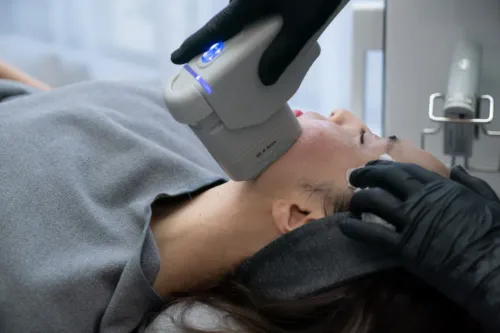
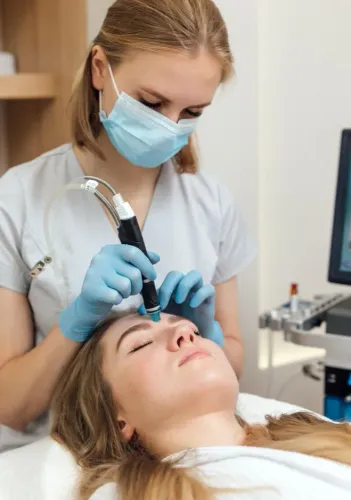
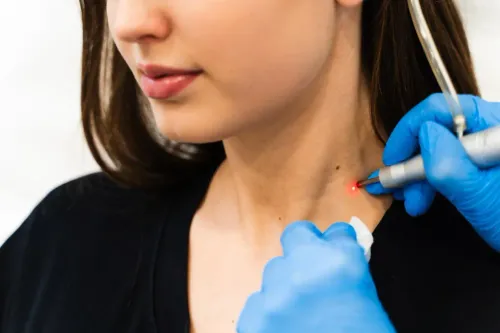
Fractional CO2 technology delivers laser energy into microscopic sections of the skin.
The resulting controlled treatment response can support collagen remodelling and skin renewal. Over time, selected scars may become smoother or blend better with surrounding skin.
Treatment goals vary. For one patient, the priority may be improving rough texture. For another, it may be softening an irregular scar edge.
Scar Type Must Be Identified First
Not every traumatic scar should be treated with the same laser.
A dermatologist needs to determine whether the scar is:
- Flat
- Depressed
- Raised
- Thickened
- Pigmented
- Red
- Contracted
- Still actively changing
Raised scars and keloid-prone scars, for example, require particularly careful assessment. A fractional resurfacing procedure that is appropriate for one scar may not be the first choice for another.
Does Scar Age Matter?
New scars continue changing as part of the natural maturation process. Older scars may have become more stable but can still differ considerably in depth, colour, and texture.
There is therefore no single rule stating that every scar should receive laser treatment after a particular number of weeks or months.
The dermatologist considers the stage of healing together with the scar's clinical features before recommending treatment.
What Improvement Can Be Expected?
Scar treatment is usually about improvement rather than complete disappearance.
The degree of change can depend on scar thickness, depth, location, age, skin response, and the number or type of treatments used.
Some scars may need a combination strategy rather than one procedure.
Possible treatment plans can involve laser-based care alongside other dermatological scar-management techniques when clinically appropriate.
Recovery Requires Planning
Fractional CO2 treatment creates a controlled skin injury, so a healing period is expected.
Temporary redness, swelling, sensitivity, dryness, crusting, or colour changes may occur depending on treatment settings and the treated area.
Sun protection is particularly important after laser procedures. This matters for patients across Delhi and the wider NCR region, where regular outdoor travel can make UV exposure difficult to avoid.
Scheduling treatment around professional commitments can also make recovery easier to manage.
Why Medical Assessment Is Important
Patients sometimes search for a specific laser because they have seen another person's result. However, scar appearance alone cannot establish whether the same treatment is suitable.
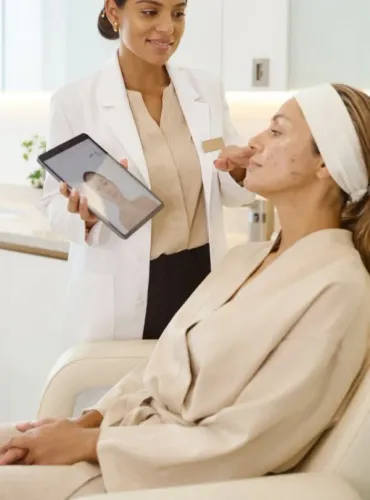
At Dr Manisha Chopra Dermatologist in Greater Kailash II, assessment can focus on the nature of the scar, skin characteristics, previous healing, and realistic treatment objectives before a procedure is considered.
Traumatic scars are highly individual. Fractional CO2 laser can have a role in selected cases, but the decision should be based on scar biology rather than the name of the procedure. A careful diagnosis helps determine whether laser resurfacing is appropriate, whether another approach is preferable, and what degree of improvement can reasonably be pursued.
Keywords