Many skin problems begin with symptoms that seem minor: persistent itching, recurring pimples, a patch that changes colour, unexplained hair shedding, or a nail that repeatedly becomes abnormal. Home skincare may help simple concerns, but persistent or changing symptoms can require assessment by a dermatologist.
Knowing when to move beyond self-care can prevent months of trial-and-error treatment.
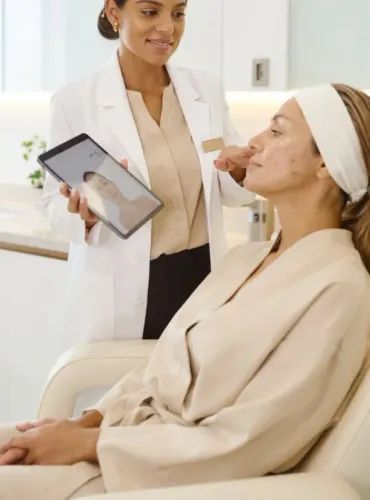
For residents across Delhi NCR, dermatology consultations commonly cover medical skin conditions as well as hair, nail, scar, pigmentation, and aesthetic concerns.
Persistent Acne Deserves Attention
An occasional pimple is common. Repeated inflammatory acne is different.
Dermatological assessment becomes particularly useful when acne:
- Produces painful nodules
- Leaves dark marks
- Causes permanent scars
- Continues despite regular skincare
- Affects the chest or back extensively
- Suddenly becomes much worse
Early control of inflammatory acne may also help reduce the risk of additional scarring.
Pigmentation Has Multiple Causes
Dark patches are often described simply as pigmentation, but pigmentation is a symptom rather than one single diagnosis.
Possible patterns include post-inflammatory marks after acne, melasma, tanning, friction-related darkening, and pigmentation associated with other skin conditions.
Using strong peeling agents or bleaching products without knowing the cause can irritate the skin and potentially make pigmentation more noticeable.
A dermatologist can first identify the pattern before recommending topical treatment, procedures, sun protection, or a combination approach.
Hair Fall Is Not One Condition
Finding more hair than usual on a pillow or shower drain can be worrying, but the reason cannot be established from shedding alone.
Hair loss can appear as diffuse thinning, a receding pattern, patches, increased shedding, or hair breakage.
A medical assessment may review the scalp, pattern of loss, duration, family history, recent stressors, medicines, nutrition-related factors, or other relevant health history.
The appropriate treatment depends on the underlying cause.
Changing Growths Need Proper Examination
Skin tags and warts are common, but people sometimes use these names for any small skin growth.
That can be problematic.
A growth should not automatically be treated with an over-the-counter removal product simply because it resembles a photograph online.
Professional evaluation is particularly important when a lesion is new, changing, bleeding, painful, repeatedly irritated, or uncertain in appearance.
Persistent Rashes Should Not Be Masked Indefinitely
Repeated use of random creams can temporarily suppress redness without addressing its cause.
Itching and rashes can arise from eczema, contact reactions, fungal infections, inflammatory conditions, and numerous other causes.
If symptoms recur as soon as a cream is stopped, spread, or remain unexplained, clinical examination can help clarify what is happening.
Nail Changes Can Carry Useful Clues
Nails can develop discolouration, thickening, brittleness, ridges, separation, or changes around the surrounding skin.
Some changes are harmless, while others may be associated with infection, trauma, inflammatory skin disorders, or other factors.
Persistent nail abnormalities deserve assessment rather than repeated cosmetic concealment.
Medical Care Can Include Cosmetic Concerns
Modern dermatology is not limited to disease treatment.
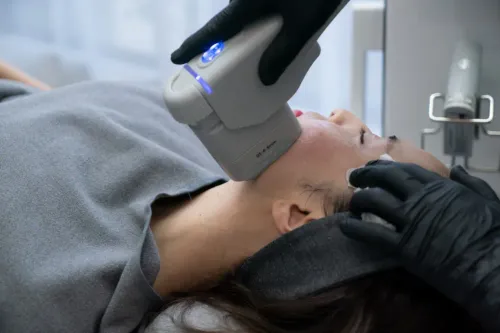
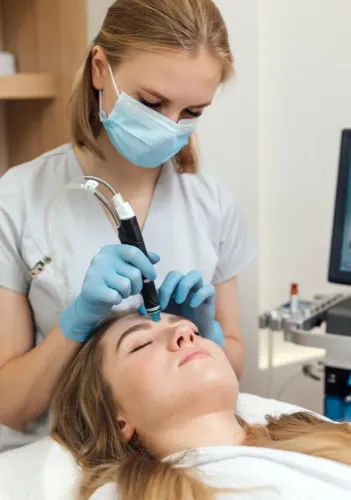
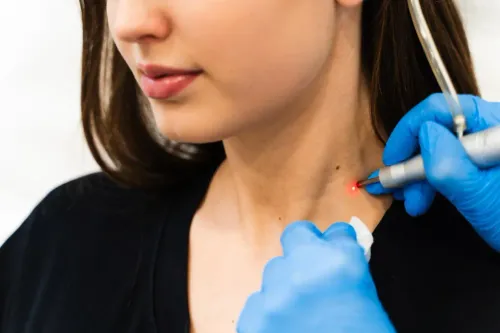
Patients may also consult for acne scars, uneven pigmentation, ageing-related changes, unwanted facial or body hair, facial texture, and other aesthetic concerns.
The key distinction is that a medical consultation evaluates whether a requested procedure is suitable for the person's skin.
Dr Manisha Chopra Dermatologist in Greater Kailash II provides dermatological care for patients seeking assessment of skin, hair, nail, and aesthetic concerns in Delhi.
The practical rule is simple: symptoms that persist, recur, change, scar, spread, or fail to improve deserve more than repeated experimentation. Getting the diagnosis right is often the most important first step because effective dermatology depends on treating the actual condition rather than treating only what it resembles.
Keywords