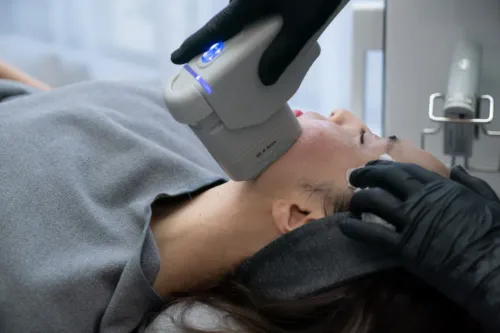
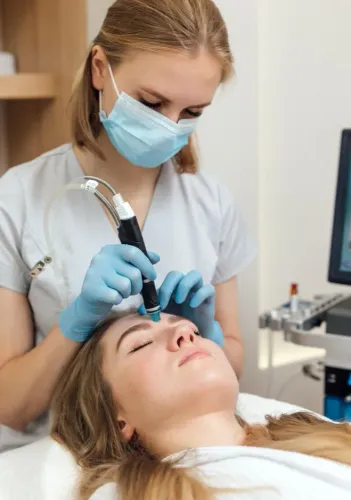
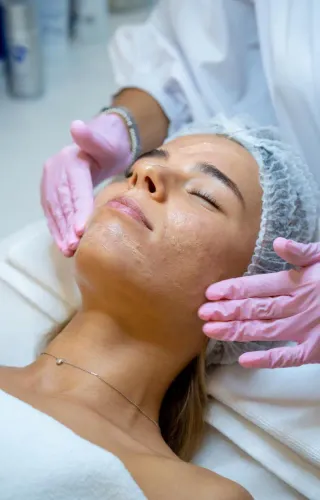
Scars are a natural part of the body's healing process, but not all scars fade equally. Injuries caused by accidents, burns, surgeries, or deep cuts can leave permanent marks that affect both skin texture and confidence. While creams and home remedies may improve the appearance of newer scars to some extent, older traumatic scars often require advanced dermatological treatment. This is why many people explore Fractional CO2 Laser for Traumatic Scars in Greater Kailash II as a non-surgical option for improving the appearance of long-standing scars.
Before beginning treatment, it's important to understand what laser resurfacing can realistically achieve and whether your scar is a suitable candidate.
What Are Traumatic Scars?
Traumatic scars develop after significant skin injury. Unlike acne scars, these scars result from physical damage to the skin caused by external factors.
Common causes include:
- Road traffic accidents
- Surgical procedures
- Burns
- Deep cuts
- Animal bites
- Sports injuries
- Falls and workplace injuries
The appearance of a scar depends on several factors, including the depth of the injury, the healing process, skin type, and how the wound was managed initially.
Why Do Some Scars Remain Visible for Years?
As a wound heals, the body produces collagen to repair damaged tissue. However, collagen is not always deposited evenly. This can result in scars that appear raised, depressed, thickened, or uneven in colour and texture.
Older scars are generally more stable than fresh scars, but they can still respond to treatments that stimulate collagen remodelling beneath the skin.
How Does Fractional CO2 Laser Work on Traumatic Scars?
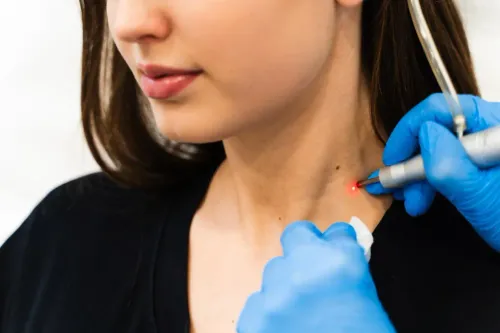
Fractional CO2 laser creates thousands of microscopic treatment zones within the scar tissue while leaving surrounding skin intact. This controlled process encourages the skin to repair itself by producing new collagen and replacing damaged tissue gradually.
Instead of removing the scar completely, the treatment aims to improve:
- Scar texture
- Skin smoothness
- Scar thickness
- Surface irregularities
- Overall appearance of the treated area
Because collagen rebuilding takes time, improvements continue gradually after each treatment session.
Are All Traumatic Scars Treated the Same Way?
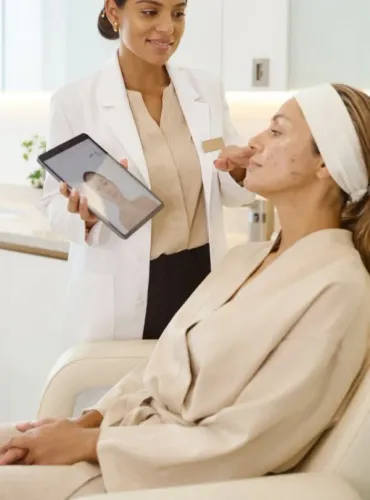
The answer is no. Every scar has unique characteristics, which is why treatment is planned only after a detailed assessment.
Your dermatologist will usually evaluate:
- Age of the scar
- Depth of tissue damage
- Scar size
- Location on the body
- Skin type
- Previous treatments
- Presence of pain or restricted movement
This evaluation helps determine whether Fractional CO2 laser is the most appropriate option or whether combination treatments may provide better results.
What Should You Expect During Recovery?
Following laser treatment, the skin begins a natural healing process.
It is common to experience:
- Mild redness
- Temporary swelling
- Dryness
- Peeling
- Mild sensitivity
These effects are generally temporary and improve as the skin heals.
To support recovery, patients are often advised to:
- Apply sunscreen regularly
- Keep the treated area moisturized
- Avoid unnecessary sun exposure
- Follow the prescribed skincare routine
- Attend scheduled follow-up appointments
Proper aftercare plays an important role in achieving the best possible outcome.
Setting Realistic Expectations
One of the most common misconceptions is that laser treatment can completely erase a scar. In reality, no treatment can remove a scar entirely. The objective of Fractional CO2 laser is to improve the scar's texture, reduce its visibility, and help it blend more naturally with the surrounding skin.
The extent of improvement depends on several factors, including the type and age of the scar, its location, your skin's healing response, and how consistently you follow the recommended treatment plan and aftercare instructions.
If you are considering Fractional CO2 Laser for Traumatic Scars in Greater Kailash II, a detailed skin assessment is the first step toward choosing the most suitable treatment. At Derma Plus Clinic, Dr. Manisha Chopra carefully evaluates every scar before creating a personalized treatment plan based on its characteristics and your skin type. With realistic expectations, expert guidance, and a customized approach, many traumatic scars can become smoother, softer, and significantly less noticeable over time.
Keywords