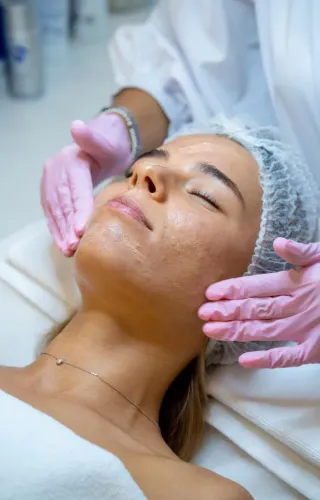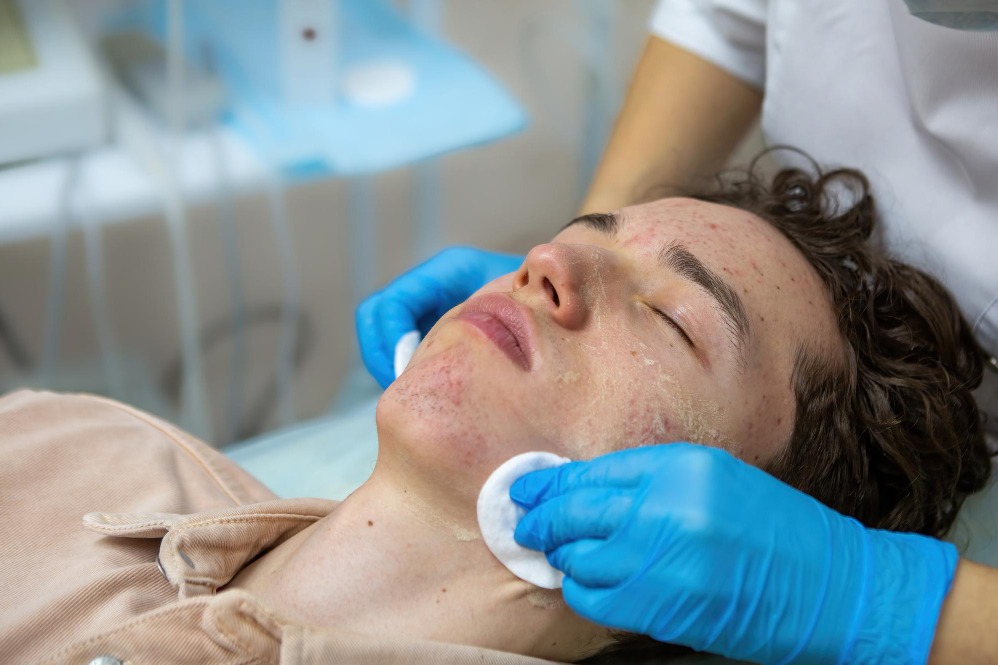
Two people can have acne scars that look completely different. One may have narrow deep pits, another broad depressions, and a third may mainly be concerned about dark marks left after breakouts.
This is why choosing acne scar treatment based on a single popular procedure can be misleading.
The more useful approach is to identify the type, depth, distribution, and severity of the scarring before deciding how it should be managed.
First Separate Scars From Marks
Patients frequently use “acne scars” to describe every mark that remains after a pimple.
True textural scars involve structural changes in the skin. Flat red or brown marks may instead represent post-acne colour changes.
This distinction matters because a treatment intended to remodel depressed scars may not be the most appropriate treatment for flat pigmentation.
Understand the Main Scar Patterns
Atrophic acne scars are often classified into patterns such as:
Ice-pick scars: Narrow, deep depressions extending into the skin.
Boxcar scars: Wider depressions with relatively defined edges.
Rolling scars: Broader undulations that can create an uneven surface.
Some patients have mixed scarring, which is one reason combination treatment is commonly discussed.
Raised scars can also occur and require a different treatment strategy.
Where Fractional CO2 Laser Fits
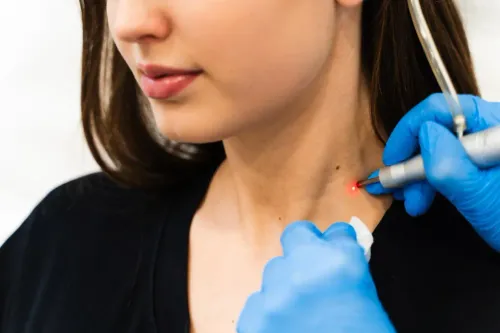
Fractional CO2 laser is frequently considered for selected textural acne scars.
It creates controlled microscopic treatment zones that encourage skin renewal and collagen remodelling.
However, the presence of acne scars alone does not automatically make someone a suitable candidate.
Scar depth, skin tone, pigmentation tendency, active acne, previous procedures, and acceptable downtime need to be considered.
Why One Procedure May Not Be Enough
Different scars have different structural characteristics.
A deeply tethered scar, for example, does not necessarily behave like a shallow textural depression. This is why dermatologists may consider combination strategies for patients with mixed scar patterns.
The exact combination should be determined clinically rather than assembled from online treatment lists.
Active Acne Changes the Plan
One of the most common mistakes is focusing entirely on old scars while new inflammatory acne is still appearing.
New acne can create new marks and scars.
For patients with significant active acne, controlling breakouts may therefore take priority before intensive scar procedures begin.
This can make the overall treatment plan more logical and prevent scar treatment from becoming an endless cycle.
Consider Downtime Before Selecting Treatment
Procedure choice is not only about potential effectiveness.
Patients should ask:
- How much redness can occur?
- Is peeling expected?
- How long should sun exposure be minimised?
- Can normal skincare continue?
- When can makeup be resumed?
- Are multiple sessions likely?
- What aftercare is required?
These practical considerations matter to professionals, students, and other patients with regular commitments across Delhi NCR.
Be Careful With Aggressive Treatment
More aggressive treatment does not automatically mean a better result.
Indian skin can develop post-inflammatory pigmentation after irritation or procedures. Appropriate treatment parameters, pre-procedure assessment, aftercare, and sun protection are therefore important considerations.
A history of pigmentation after acne or previous procedures should be discussed during consultation.
What Makes a Treatment Plan Personalised?
A well-considered acne scar plan should take account of scar morphology, active acne, skin type, previous treatments, pigmentation, expected downtime, and realistic goals.
At Dr Manisha Chopra Dermatologist in Greater Kailash II, patients seeking acne scar care can be evaluated before a procedure is selected.
The most important question is not simply which acne scar treatment is most advanced. It is which approach matches the scars actually present on your skin. Correct classification can help avoid unsuitable procedures and provides a more realistic basis for planning gradual improvement.
Keywords