Noticing white patches on your skin can be unsettling, especially when they begin to spread or appear without an obvious reason. While many people initially assume the patches are caused by allergies or fungal infections, they may actually be signs of vitiligo, a condition that affects the skin's natural pigmentation. Although vitiligo is not contagious or life-threatening, early diagnosis plays an important role in understanding the condition and planning appropriate care. If you are considering Vitiligo Treatment in Delhi, knowing what to expect from diagnosis through long-term management can help you make informed decisions with confidence.
Recognizing the Early Signs
Vitiligo develops when melanocytes, the cells responsible for producing skin pigment, stop functioning or are destroyed. This results in well-defined white patches that can appear anywhere on the body.
Common areas where vitiligo first becomes noticeable include:
- Face and around the mouth
- Hands and fingers
- Feet
- Elbows and knees
- Around the eyes
- Neck
- Scalp, leading to premature whitening of hair
Some patches remain unchanged for years, while others may gradually increase in size or number. Because every individual experiences vitiligo differently, professional evaluation is essential.
Why an Accurate Diagnosis Is Important
Not every white patch indicates vitiligo. Certain fungal infections, post-inflammatory pigment loss, and other dermatological conditions can look similar during the early stages.
A dermatologist usually begins with a detailed clinical assessment, which may include:
- Reviewing your medical history
- Examining the pattern and distribution of white patches
- Understanding when the pigmentation changes first appeared
- Evaluating family history and autoimmune conditions
- Assessing whether the condition is stable or actively progressing
This thorough examination helps determine the most appropriate treatment strategy instead of relying on assumptions or self-diagnosis.
What Treatment Options Are Available?
There is no single treatment that suits every patient. The approach depends on the extent of pigmentation loss, the location of the affected areas, your age, and how the condition has progressed.
Your dermatologist may recommend one or a combination of treatments such as:
- Topical medications
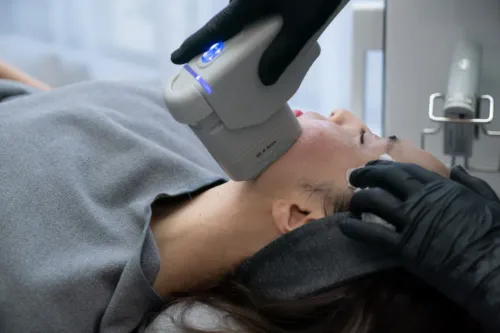
- Phototherapy
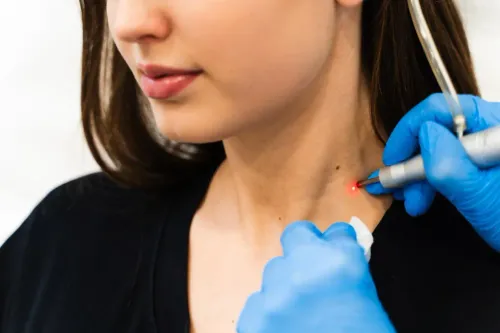
- Targeted laser therapy for selected cases
- Oral medications when clinically indicated
- Medical management to control disease progression
Each treatment plan is individualized, with the goal of encouraging repigmentation wherever possible while helping prevent the condition from progressing further.
What Results Can You Expect?
One of the most common misconceptions is that vitiligo treatment produces immediate results. In reality, repigmentation is a gradual process that varies from person to person.
Several factors influence the outcome, including:
- The duration of the condition
- The location of the white patches
- Individual skin response
- Consistency with treatment
- Regular follow-up appointments
Areas such as the face often respond more favourably than the hands or feet, but every patient's progress is unique.
Supporting Your Treatment with Daily Skin Care
Professional treatment is only one part of effective vitiligo management. Daily skin care can help protect sensitive areas and support healthier skin.
Simple habits include:
- Applying broad-spectrum sunscreen every day
- Protecting the skin from cuts, burns, and friction
- Using gentle skincare products recommended by your dermatologist
- Avoiding unverified home remedies that may irritate the skin
- Following prescribed medications consistently
These measures help maintain overall skin health while complementing medical treatment.
Common Misconceptions About Vitiligo
Despite growing awareness, several myths continue to create unnecessary anxiety.
Vitiligo is contagious.
This is false. Vitiligo cannot spread through touch, sharing personal belongings, or close contact.
Only adults develop vitiligo.
The condition can occur at any age, including childhood.
Diet alone can cure vitiligo.
While maintaining good nutrition supports overall health, no specific diet has been proven to cure vitiligo. Medical evaluation remains essential for appropriate treatment.
Understanding these misconceptions helps patients focus on evidence-based care rather than misinformation.
Why Regular Follow-Up Matters
Vitiligo is a condition that requires periodic monitoring rather than a one-time consultation. Regular follow-up appointments allow your dermatologist to evaluate treatment response, identify changes in pigmentation, and modify the treatment plan whenever necessary.
This ongoing assessment also helps address new concerns early, ensuring that treatment continues to align with your skin's changing needs.
Take the First Step Towards Personalized Vitiligo Care
Every case of vitiligo is unique, and successful treatment begins with an accurate diagnosis rather than guesswork. Early evaluation can help identify the type of vitiligo, determine whether the condition is stable or progressing, and guide the selection of the most suitable treatment approach.
If you are looking for Vitiligo Treatment in Delhi, consulting an experienced dermatologist can help you understand your condition and explore appropriate treatment options with confidence. At Derma Plus Clinic, Dr. Manisha Chopra develops personalized treatment plans based on each patient's skin type, medical history, and individual concerns. Whether you have recently noticed white patches or have been managing vitiligo for years, a professional consultation is the first step toward informed care and healthier skin.
Keywords